U-values & window energy ratings
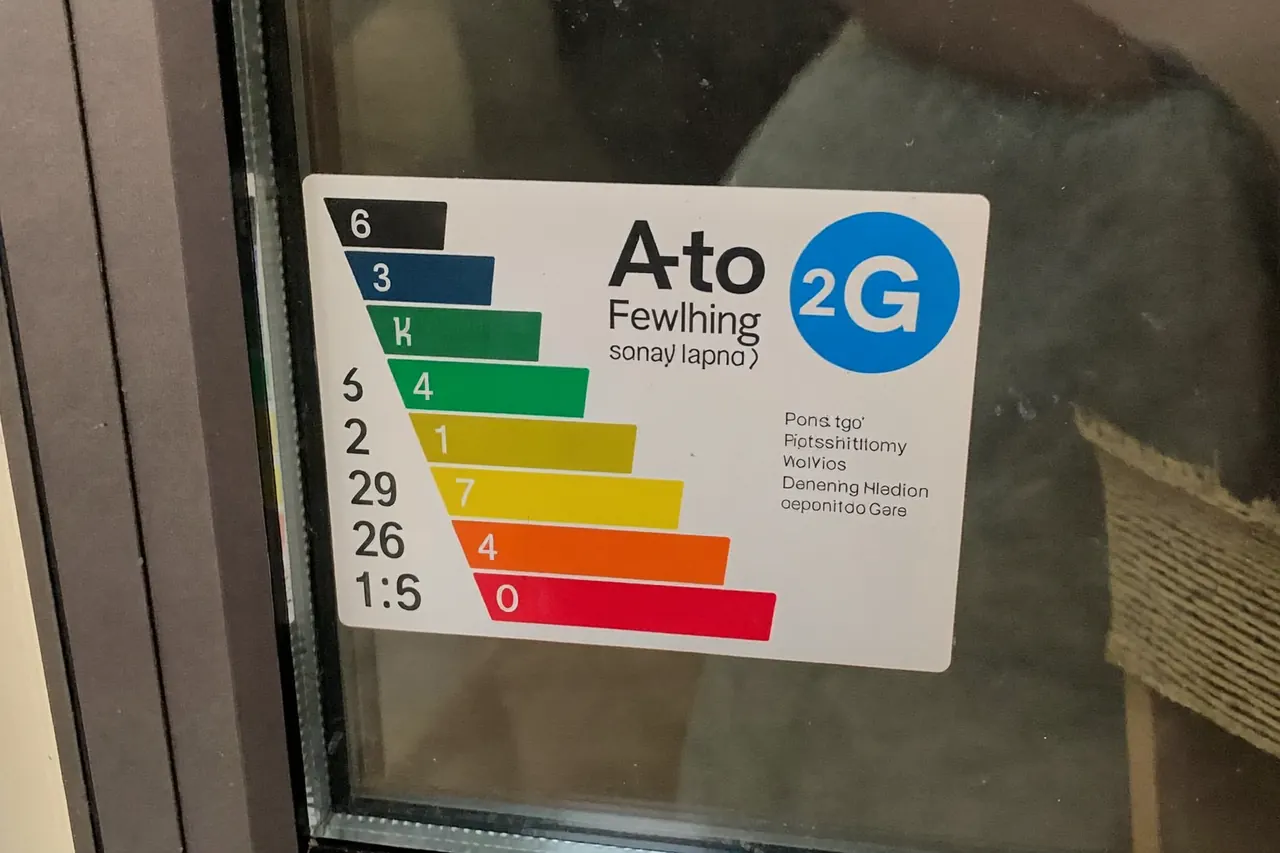
The energy figures on a quote tell you how warm, quiet and efficient your windows will be. Here is the window u value explained in plain terms, alongside the A++ to E rating you will see on the specification.
What a U-value actually measures
A U-value measures how quickly heat passes through the window, expressed in watts per square metre per degree (W/m²K). The important thing to remember is that lower is better: a low U-value means less heat escaping and a warmer room for less energy. Single glazing sits around 4.8, older double glazing around 2.8, and a good modern unit around 1.2 to 1.6. Triple glazing can drop below 1.0. When you compare quotes, check whether the figure quoted is for the glass alone or the whole window — the whole-window figure is the fair one to compare.
How Window Energy Ratings work
The Window Energy Rating (WER) is a single letter grade from A++ to E, run by the British Fenestration Rating Council. It combines three things: heat lost through the window, useful warmth gained from the sun, and air leakage around the frame. Because it balances loss against gain, a well-rated window can feel efficient without needing the very lowest U-value. Most quality replacements today are rated A or above.
Compare the energy figures
Get free, no-obligation quotes from vetted local installers and see the U-values side by side. Subject to eligibility and a home survey.
Get into the quote zone →Why the numbers vary between quotes
Two windows that look identical can carry very different U-values, and that difference is built from the details: low-emissivity coatings, the gas fill between panes, the type of spacer bar and the frame material all move the number. A firm using warm-edge spacers and argon fill will beat one using plain air and aluminium spacers. If a quote does not state a U-value at all, ask for it — it is a standard figure any installer can supply.
What efficiency is worth in practice
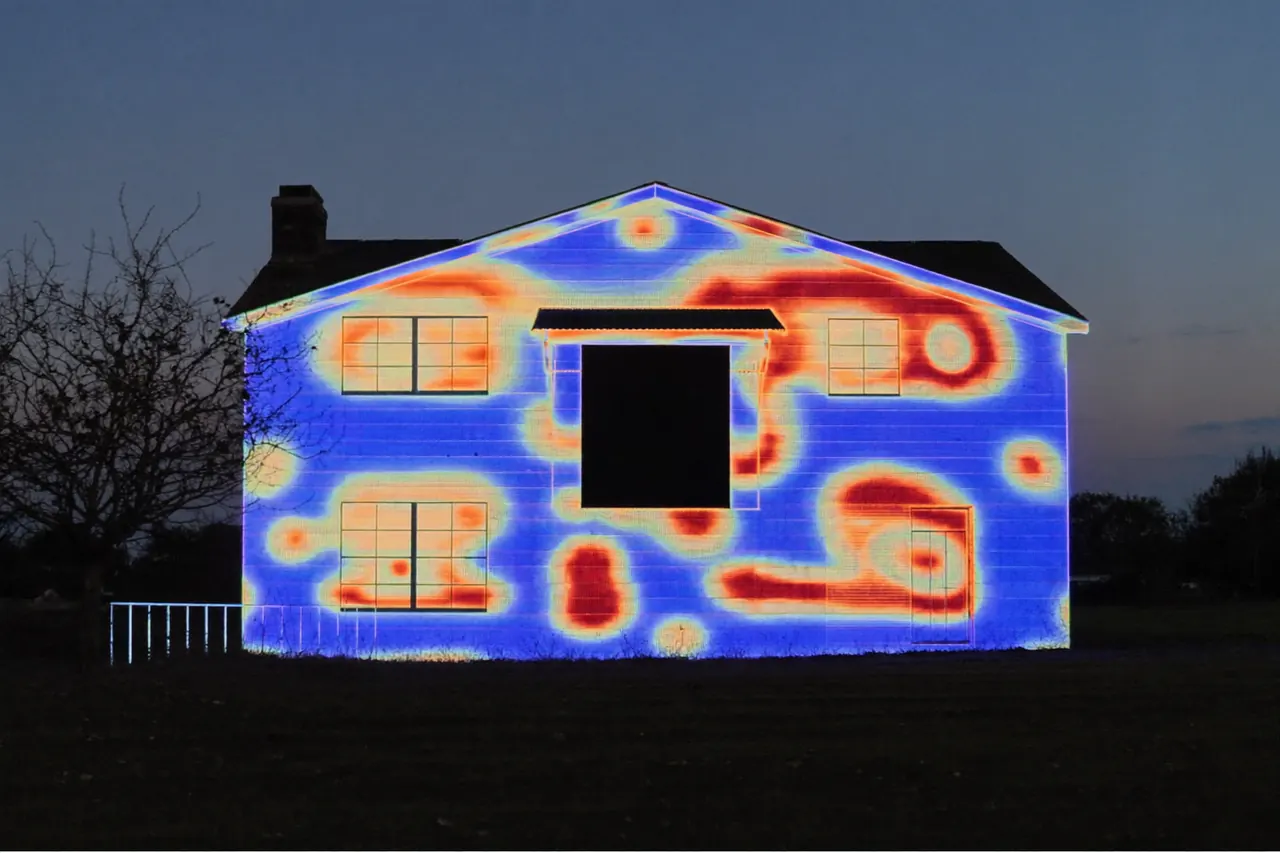
According to the Energy Saving Trust, replacing old single glazing with energy-efficient windows can reduce heat loss and improve comfort, with the typical saving depending on your home’s size, heating and starting point. Treat any single headline saving figure with caution: the honest answer is a range, not a promise. The bigger, more reliable benefits are steadier room temperatures, less condensation and reduced outside noise.
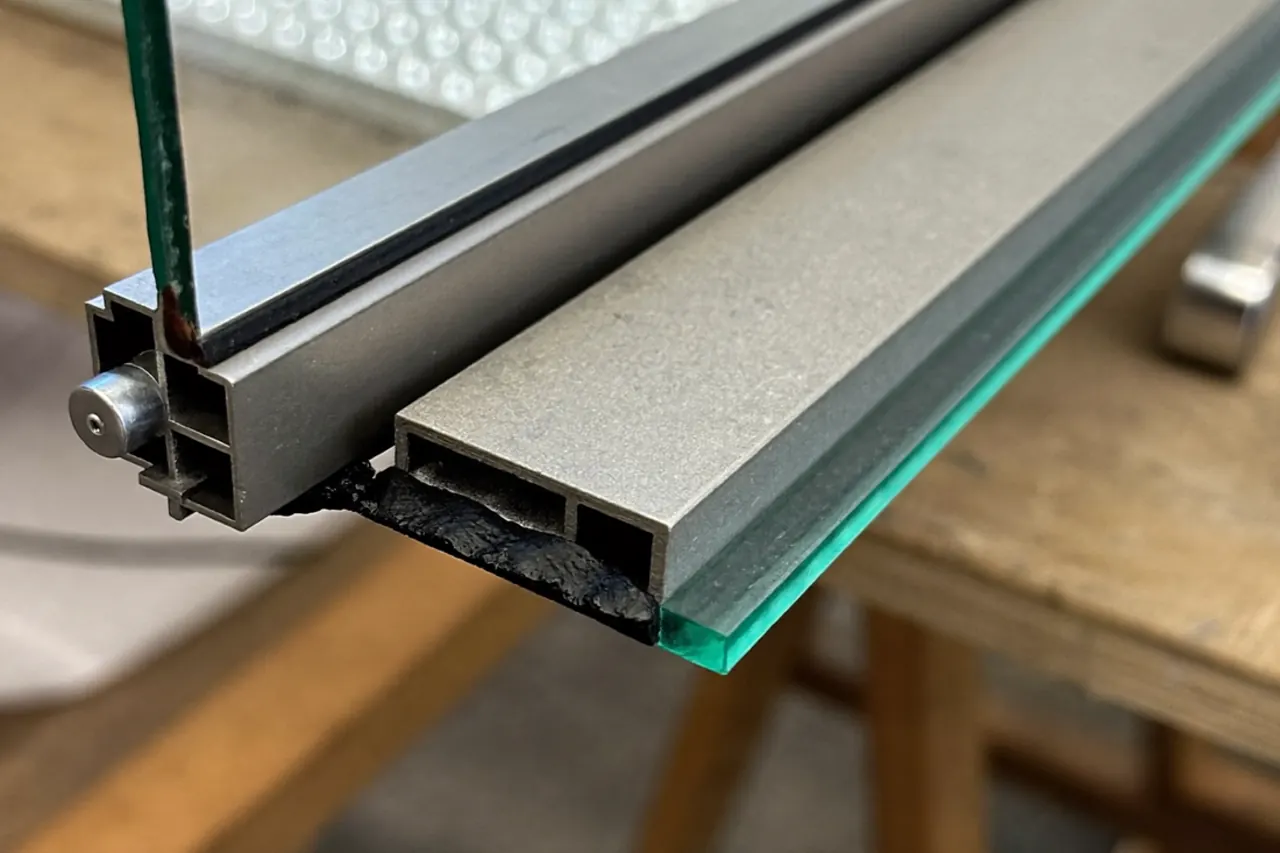
The glass you choose drives much of this, so it pairs naturally with the glass options on your quote, and if a term trips you up the jargon guide has it covered. To sanity-check the value a higher specification adds, it helps to read about which window materials give the best value.
Get your figures
Two quick steps to get matched with accredited local installers. Installers in many areas have survey appointments this month.
Enter the quote zone →